A fleet wash facility should be designed around the vehicles, operating schedule and service standard—not around a machine selected in isolation. Before choosing a fleet car wash system, define what must be washed, how often vehicles return to base, how many must be completed in the available wash window and which site constraints could interrupt the operation.
This guide explains how to plan a commercial wash facility for passenger-car, SUV, pickup and compatible light-commercial fleets. It also shows where automatic equipment fits into the project and which information a supplier needs before recommending a configuration.
The first fleet-wash decision is not touchless versus brushes. It is the operating requirement the complete facility must meet.
1. Define why the fleet needs its own wash facility
An in-house wash can support appearance standards, vehicle handover, inspection, brand presentation and scheduled maintenance. However, those benefits only justify a project when the wash process fits the fleet’s real operating pattern.
Start by writing a one-sentence objective. Examples include: clean rental vehicles before the next customer, prepare dealership vehicles for delivery, keep service fleets presentable, remove routine road dirt before inspection, or process a concentrated group of returning vehicles at the end of a shift. Each objective creates a different requirement for wash quality, speed, staffing and drying.
- Vehicle presentation: how clean and dry must the vehicle be before dispatch or customer handover?
- Operational availability: how long can a vehicle remain in the wash process?
- Inspection support: must washing happen before maintenance or damage checks?
- Labor control: which repetitive manual tasks should be reduced or standardized?
- Environmental control: how will water, chemicals and wastewater be managed at the site?
2. Build a vehicle register before selecting equipment
A fleet name does not define a vehicle envelope. Record the make, body type and quantity of every important group, then identify the maximum length, width and height. Include mirrors, roof equipment, ladders, light bars, racks, antennas, rear steps, spare wheels and other projections that could affect clearance or sensing.
| Fleet group | What to record | Why it matters |
|---|---|---|
| Passenger cars and SUVs | Maximum body size, mirrors, roof accessories and ground clearance | Determines bay clearance, sensing and compatible wash path |
| Pickups and light vans | Roof height, bed or rear configuration, racks and commercial accessories | May change vehicle envelope and drying expectations |
| Special-purpose vehicles | External equipment, decals, fragile fittings and restricted spray areas | May require a dedicated program or manual exclusion |
| Buses and heavy trucks | Full vehicle dimensions, axle layout, contamination and underbody needs | Usually requires purpose-built heavy-vehicle equipment and separate engineering review |
Do not assume that equipment designed for passenger vehicles can wash buses or heavy trucks. The current YOLO passenger-vehicle product pages publish model-specific maximum vehicle dimensions. A heavy-vehicle fleet should send its vehicle drawings and cleaning requirements for a separate solution review.
3. Calculate demand from the wash window, not only vehicles per day
A fleet may contain 300 vehicles without needing to wash 300 every day. The planning number is the quantity requiring service within the available operating window. Record the fleet size, wash frequency by vehicle group, expected dirty-vehicle percentage, return times and seasonal peaks.
Required practical hourly output = vehicles that must be washed during the peak window ÷ usable wash hours in that window
This is a planning calculation, not a machine-performance promise. Practical output includes approach, identification, waiting, positioning, program selection, active washing, drying, inspection, exit and any required manual preparation. Availability is also affected by daily checks, cleaning, maintenance and faults.
Build at least three scenarios: normal day, peak return period and reduced-capacity operation. If one wash bay becomes unavailable, decide whether vehicles can wait, use a manual fallback or be routed to another location.
4. Design the vehicle flow before the wash bay
The wash machine occupies only one part of the facility. A workable fleet wash layout connects arrival, queueing, vehicle identification, pre-check, washing, drying or inspection and return to service without conflicting with fueling, maintenance, parking or pedestrian routes.
| Facility zone | Planning questions |
|---|---|
| Approach and queue | Can the largest vehicle turn in and wait without blocking the depot? |
| Identification and program selection | Will the operator use a code, RFID, fleet ID or manual control? |
| Pre-check area | Where are loose accessories, open windows, damage and incompatible vehicles checked? |
| Wash bay | Are clear height, usable width, foundations, rails, drainage and maintenance access confirmed? |
| Equipment room | Are pumps, chemicals, electrical controls, air supply and service access protected? |
| Exit and inspection | Can vehicles leave safely without crossing the incoming queue? |
| Fallback area | Where does a vehicle go if it is rejected, needs rework or the bay is unavailable? |
Prepare a dimensioned site plan showing buildings, columns, doors, slopes, drains, utility points, traffic lanes and maintenance clearances. The final civil work should follow the approved equipment drawing rather than a general website dimension.
5. Plan water, drainage, power and climate as one system
The fleet wash facility needs more than a water connection. Confirm source-water quality, available flow and pressure, storage, filtration, wastewater route and any local pretreatment or discharge requirements. If water recycling is planned, separate the water qualities needed for different wash stages and define how solids, oils and treatment equipment will be maintained.
Review the car wash water recycling guide before treating recycled water as a universal substitute for fresh or spot-free water. The suitable arrangement depends on the wash process, required finish and local regulations.

- Electrical supply: provide local voltage, frequency, phase, available connected capacity and grounding requirements.
- Compressed air: confirm pressure, flow, dryness and connection location when the selected equipment requires air.
- Climate: plan freeze protection, ventilation, heat management, corrosion exposure and weather protection for the destination.
- Chemicals: define storage, dosing, labels, staff handling and compatible local supplies.
- Floor and drainage: confirm substrate, slope, channels, pits, load capacity, surface finish and safe access for cleaning.
6. Choose the fleet car wash system architecture
Once the fleet and site requirements are defined, compare the main automatic architectures. The correct answer depends on compatible vehicle dimensions, practical capacity, cleaning standard, available length, labor model and maintenance capability.
Touchless in-bay systems
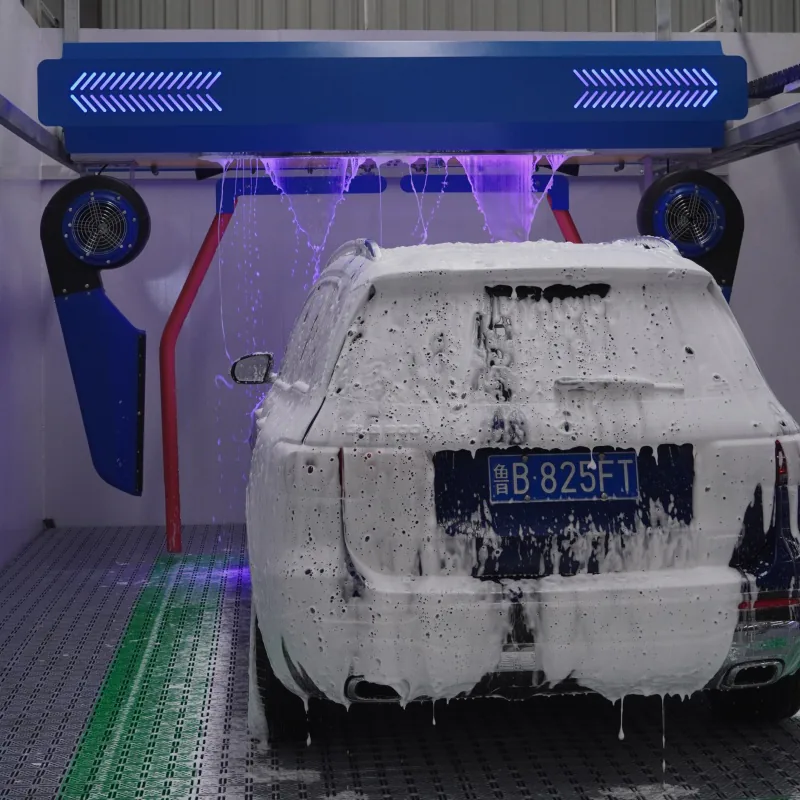
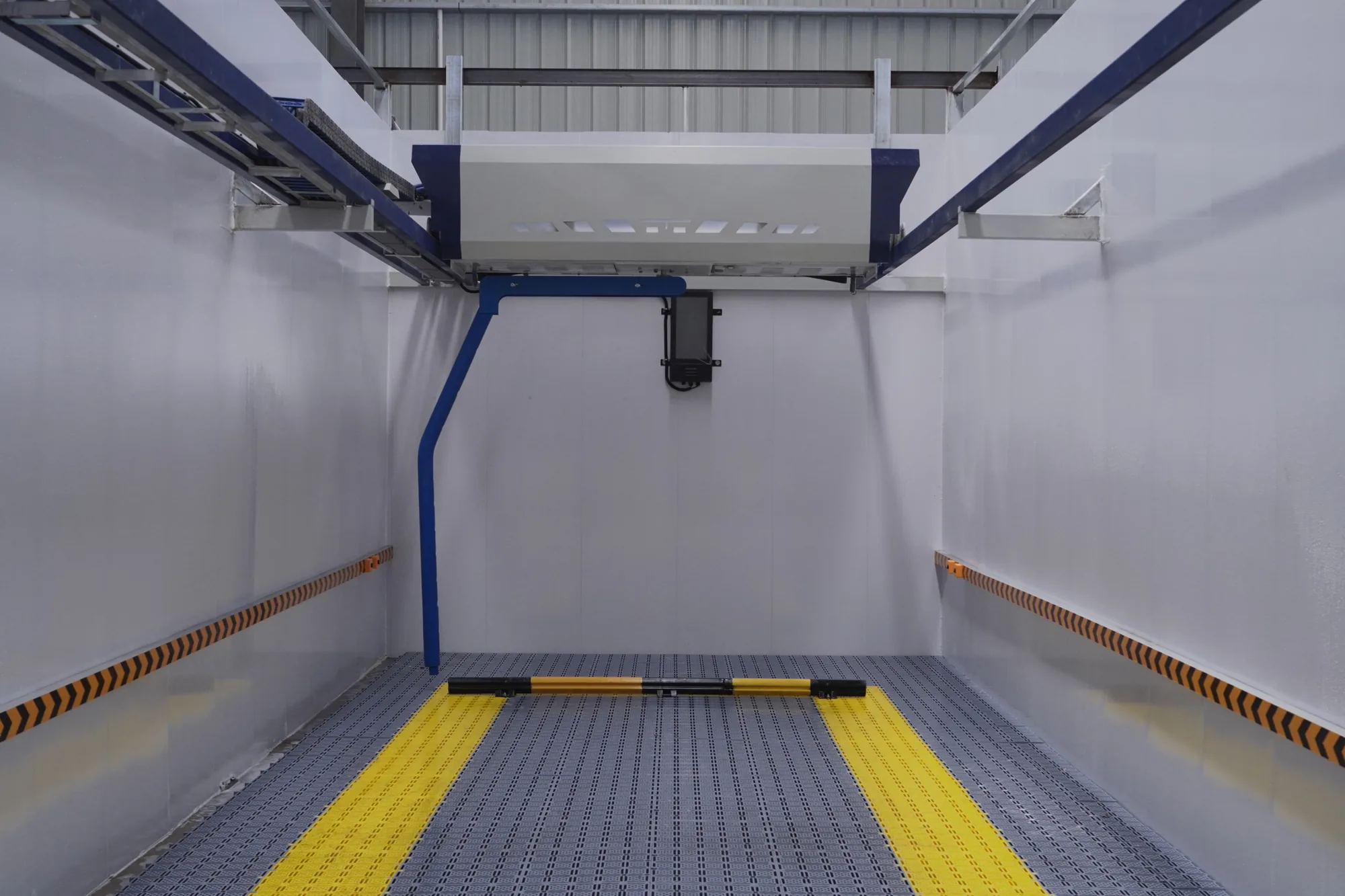
A touchless in-bay machine keeps the vehicle stationary and uses programmed chemical application, high-pressure washing and available drying stages. It may suit passenger-car and compatible light-vehicle fleets that want to avoid brush contact and operate within a compact bay. Compare the YOLO S6 touchless in-bay system and the broader touchless product range, then verify the actual vehicle envelope and wash program.
Rollover brush systems
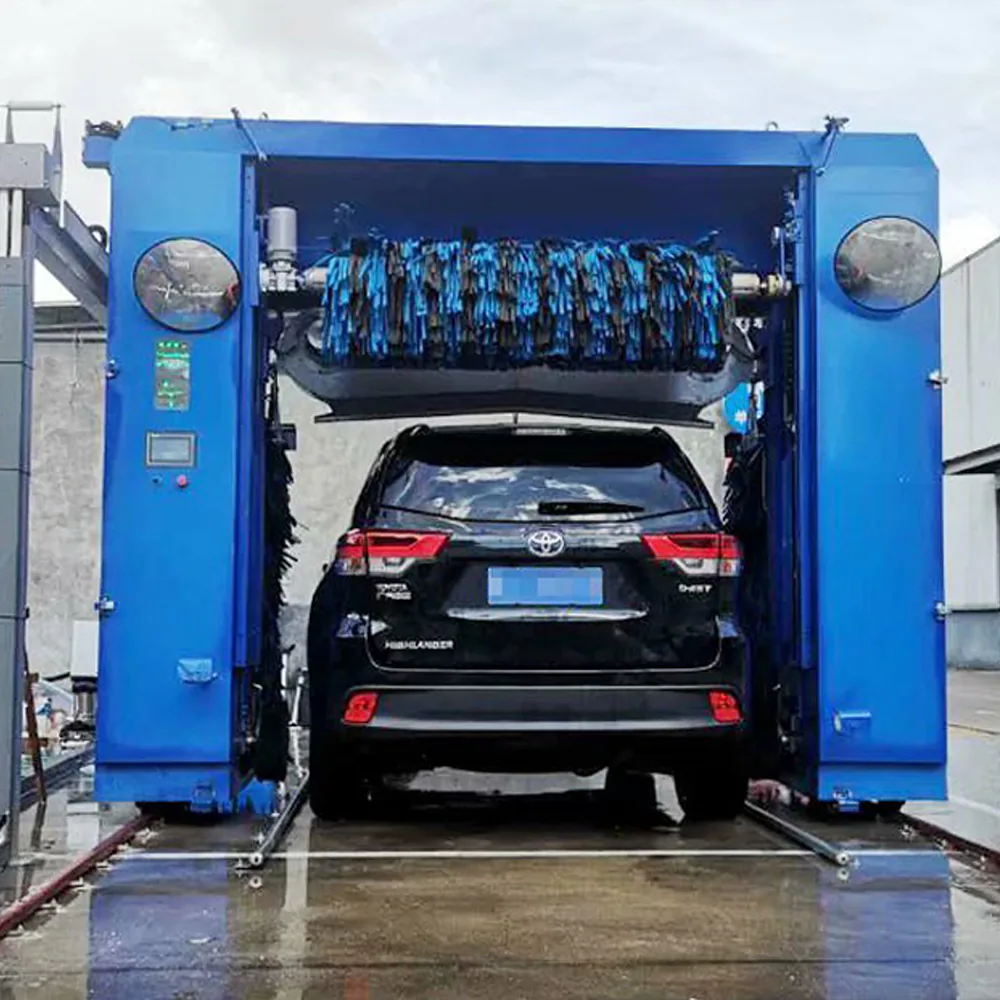
A rollover machine moves around a stationary vehicle with programmed brushes, chemical stages and optional drying. It can support repeatable cleaning where the vehicle shapes and surface requirements are compatible with brush washing. The YOLO CF360 five-brush rollover is one current reference configuration; fleet owners should still review accessories, decals, mirrors and operating rules before approval.
Conveyor tunnel systems
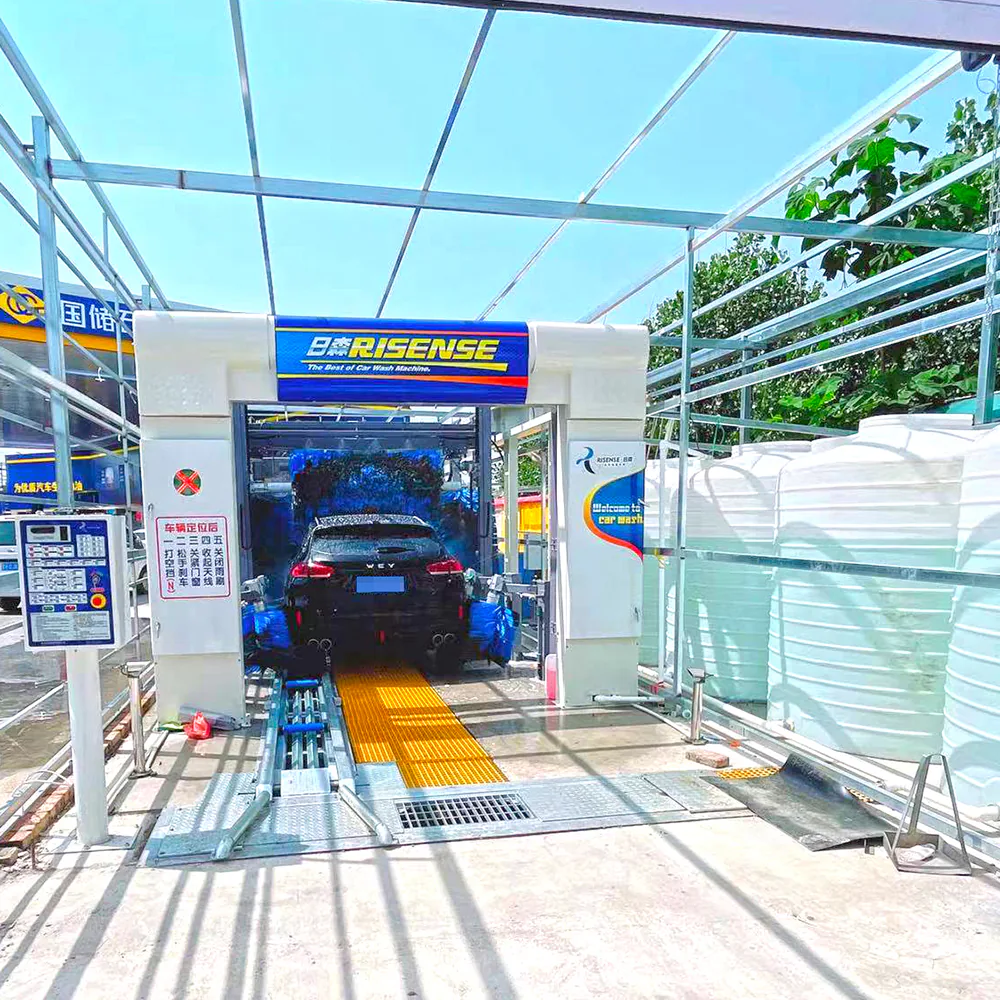
A tunnel system is relevant when vehicles can arrive in a controlled sequence and the project needs continuous flow. It requires more site length, coordinated entry and exit, conveyor-compatible vehicles and disciplined operating procedures. Review the YOLO CC670 tunnel system as a reference, but size the tunnel from the peak fleet window and complete vehicle path rather than from headline throughput alone.
| Architecture | Potential fleet fit | Key confirmation |
|---|---|---|
| Touchless in-bay | Passenger and compatible light-vehicle fleets prioritizing non-contact washing | Vehicle envelope, chemical process, water pressure, cycle and drying expectation |
| Rollover brush | Standardized passenger fleets seeking repeatable brush cleaning | Surface compatibility, accessories, brush process and maintenance |
| Conveyor tunnel | Higher-volume operations with predictable arrivals and adequate site length | Conveyor compatibility, queue, staffing, safety and continuous-flow layout |
| Heavy-vehicle system | Bus, coach, truck or specialized commercial fleets | Dedicated dimensions, contamination, underbody needs and purpose-built engineering |
7. Specify controls, programs and operating data
A fleet wash machine becomes more useful when its control method matches depot operations. Decide how vehicles are identified, who starts the cycle, which programs are permitted and how exceptions are handled. A rental fleet may need a consistent handover program; a mixed service fleet may need different programs for normal road film and heavier contamination.
- vehicle or driver identification;
- authorized wash programs by vehicle group;
- cycle count and chemical-use records where available;
- fault, emergency-stop and rejected-vehicle procedure;
- daily pre-start and cleaning checklist;
- preventive-maintenance schedule;
- spare-parts identification and escalation contacts;
- manual fallback and rewash approval process.
8. Compare in-house washing with outsourcing
Not every fleet needs to build its own facility. Compare the full internal cost and operational benefit with external washing. Include equipment, civil work, utilities, treatment, labor, chemicals, maintenance, downtime, insurance and management—not only the purchase price.
| Decision factor | In-house fleet wash | Outsourced washing |
|---|---|---|
| Scheduling | Can be aligned with vehicle return and dispatch | Depends on supplier location and availability |
| Process control | Programs and inspections can follow fleet rules | Quality and records depend on the contract |
| Capital | Requires equipment and site investment | Usually converts more cost to a service expense |
| Maintenance | Fleet operator carries facility and equipment responsibilities | Service provider carries equipment responsibility |
| Utilization risk | Low wash volume can leave capacity unused | Fees generally follow actual or contracted use |
A transparent comparison should use the same time period, wash standard and vehicle volume. Add the cost of transporting vehicles to an external wash and the operational value of returning them to service on time.
9. Plan installation, training and maintenance before ordering
The quotation should define the equipment scope, exclusions, delivery basis, site responsibilities, installation support, commissioning, training, warranty and recommended spare parts. Assign an internal owner for civil coordination and another for future operation; otherwise, important assumptions can be lost between purchasing and the depot team.
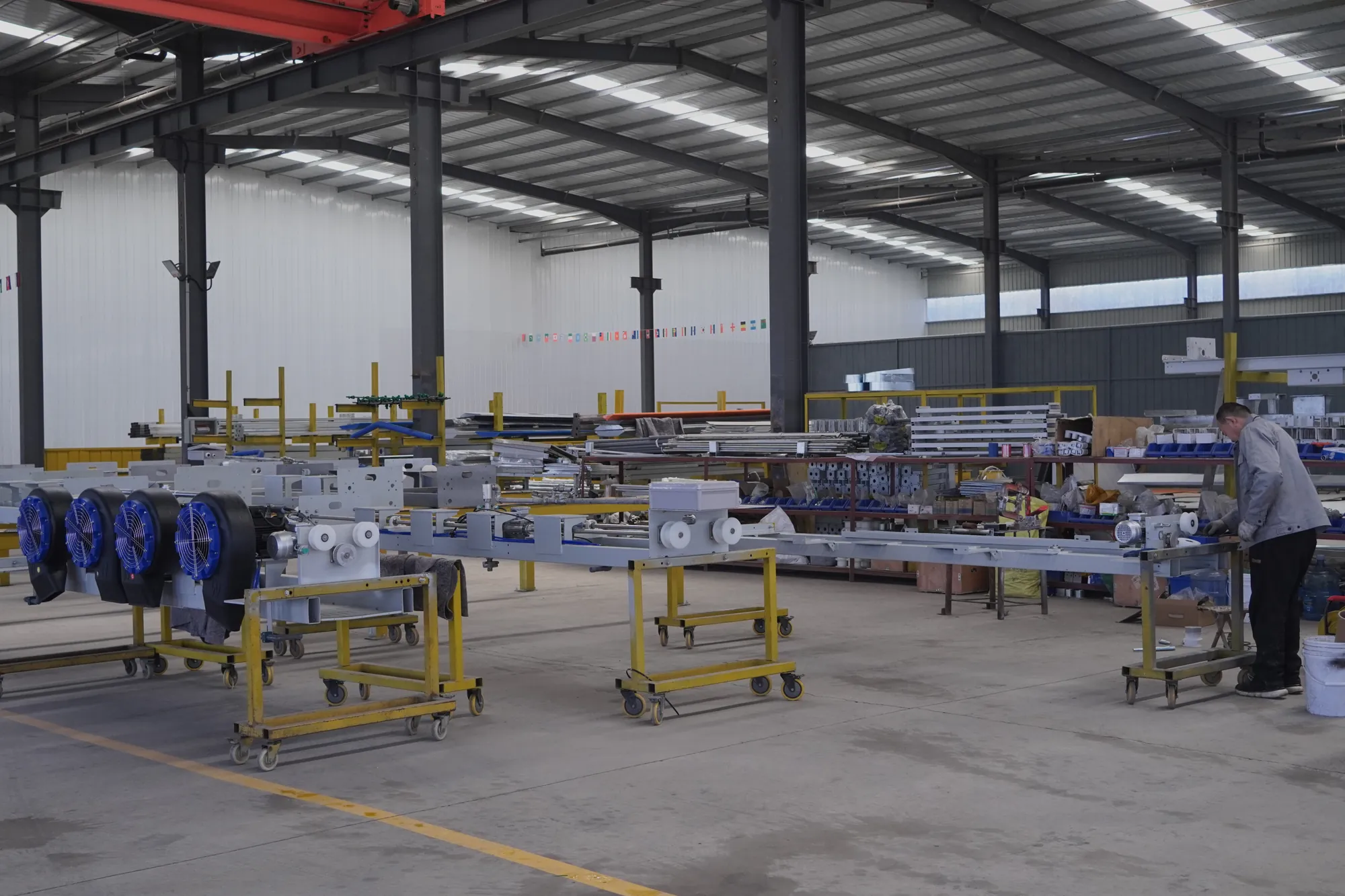
Use the car wash machine installation checklist and the YOLO project support framework to identify the information that must be confirmed before equipment arrival.
Information to send for a fleet wash recommendation
- fleet type, business purpose and project country;
- vehicle list with quantities, representative photographs and maximum dimensions;
- roof, mirror, rack, light-bar and external-equipment details;
- contamination type and required finish;
- wash frequency, expected vehicles per day and peak wash window;
- available site plan, entry, exit, queue and clear bay dimensions;
- water source, flow, pressure, quality and wastewater route;
- local voltage, frequency, phase, available power and compressed air;
- climate and any freeze, heat, dust or corrosion concerns;
- staffing, preferred control method and local maintenance capability;
- target schedule and required delivery or installation support.
With these inputs, the discussion can move from a generic fleet car wash machine price to a site-specific system recommendation.
Build the facility around fleet availability
A successful fleet wash facility is not simply a machine inside a building. It is a coordinated operating system that moves compatible vehicles through identification, washing, inspection and return to service within a defined time window. Vehicle data, site design, utilities, equipment architecture, maintenance and staff responsibilities must support the same goal.
Explore the YOLO automatic car wash range, review solutions by operating scenario, or send your fleet and site information for a project recommendation.