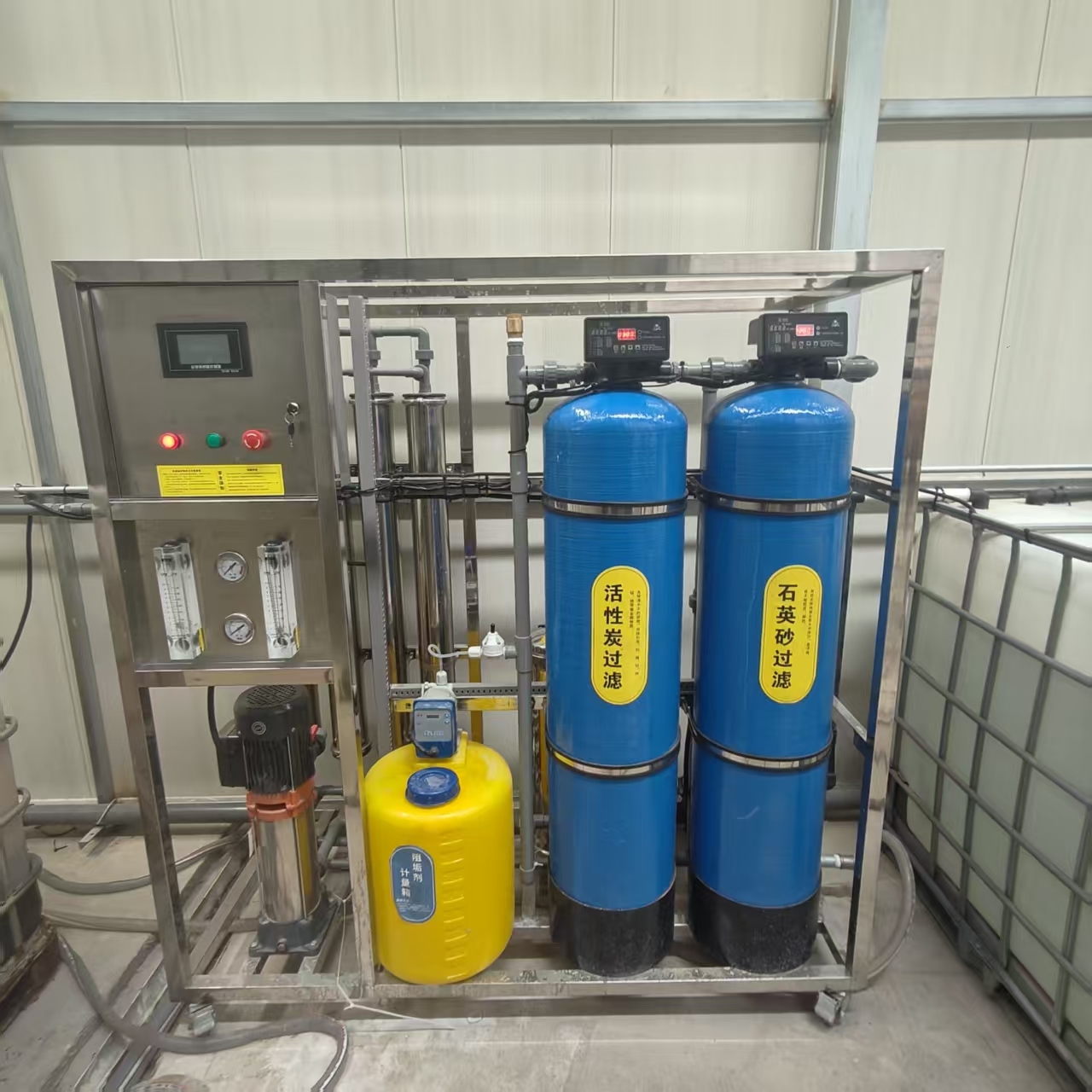
A car wash water recycling system collects used wash water, removes grit and suspended solids, stores the treated water, and sends it back to selected wash stages. It can reduce freshwater demand and wastewater discharge, but it does not turn every litre of wash water into final-rinse-quality water. The treatment train, reuse points and real saving rate must be designed around the machine, site drainage, local water quality, wash chemistry and discharge rules.
For investors and operators, the practical question is not simply, “Does the machine recycle water?” A better question is: which water is collected, how is it treated, which wash stages reuse it, and how much fresh water must still be added? This guide explains the technology and shows how the available factory-source options can be incorporated into a commercial automatic car wash project.
Buyer summary: Factory-source configurations reviewed for this article describe three-stage filtration, reclaimed-water tanks in 400 L and 500 L reference sizes, soft-water treatment and integrated reuse loops. These are configuration-dependent project options, not a standard feature or guaranteed saving rate for every YOLO machine.
What is the difference between water saving, water treatment and water recycling?
These terms are related, but they do not mean the same thing.
- Water-saving equipment reduces the amount of water used by controlling pressure, nozzle flow, spray time and wash-program duration.
- Water treatment changes water quality. Depending on the project, this may include settlement, oil separation, filtration, oxidation, softening, membrane treatment or reverse osmosis.
- Water recycling or reclamation collects previously used wash water, treats it to a defined quality and reuses it in one or more later wash stages.
A machine can be water-efficient without a reclaim system. It can also circulate a large volume of reclaimed water while still needing fresh make-up water. Evaporation, vehicle carry-off, filter backwashing, sludge removal and controlled discharge all prevent a wash bay from operating as a completely closed loop.
How a car wash water reclaim system works
A well-designed system treats water in stages rather than relying on a single filter. The exact arrangement varies by site, but the following flow is typical for an automatic in-bay, rollover or tunnel wash.
| Stage | Typical equipment | Main purpose |
|---|---|---|
| 1. Collection | Graded wash-bay floor, trench drain and collection pit | Capture wash water and prevent uncontrolled runoff |
| 2. Primary separation | Settlement chamber, silt trap or grit interceptor | Remove sand, mud and heavy particles before they reach pumps and fine filters |
| 3. Oil and contaminant control | Oil-water separator or project-specific pretreatment | Manage hydrocarbons and floating contaminants where required by the wastewater plan |
| 4. Filtration | Multi-stage filter train | Reduce suspended solids and improve water quality for reuse |
| 5. Conditioning | Soft-water unit, oxidation, membrane filtration or other treatment as required | Control scale, odour, dissolved material and water quality for the intended reuse stage |
| 6. Storage | Reclaimed-water tank with level control | Provide a stable treated-water supply and allow fresh make-up water when needed |
| 7. Reuse | Dedicated pump, valves, controls and labelled return piping | Send reclaimed water only to approved wash stages |
The U.S. Environmental Protection Agency recommends that reclaim systems separate grit, oil and grease at a minimum. It also notes that additional treatment may be necessary when reclaimed water is used beyond underbody or early wash stages. This is why water quality must be matched to its intended use instead of applying one treatment standard to the entire wash process.
Where should reclaimed water be used in the wash cycle?
Reclaimed water is normally most useful in the dirt-heavy stages where perfect finish quality is not yet required. Suitable reuse points can include the undercarriage wash, wheel cleaning, pre-rinse and selected main-wash stages, subject to the treatment level and chemical program.
The final rinse requires more caution. Water containing excessive dissolved minerals or suspended matter can contribute to spotting, odour, nozzle deposits and inconsistent chemical performance. For that reason, many projects retain fresh, softened, deionized or reverse-osmosis water for the final rinse, wax, sealant or spot-free finish. A separate clean-water line also makes the operating logic easier to monitor.
Important: A published recycling percentage is not automatically the same as the reduction in the water bill. Actual freshwater savings depend on the selected reuse stages, vehicle throughput, contamination load, filter losses, tank management and operator settings.
What water-recovery technology is available in the current factory-source materials?
YOLO Car Wash Systems works with manufacturing partner Shandong Boyou on automatic car wash equipment and project configuration. The reviewed factory-source product pages and archived product data describe the following water-treatment and recycling elements.
| Available capability | What the source material describes | What buyers should confirm |
|---|---|---|
| Three-stage filtration | Listed on several touchless, gantry and self-service water-recycling configurations for removing dirt and debris before reuse | Filter media, micron rating, design flow, backwash method and replacement schedule |
| Reclaimed-water tank | Reference configurations list 400 L or 500 L tanks | Working volume, buffer capacity, tank material, level sensors and whether civil tanks are also required |
| Soft-water unit | Listed as included in several recycling configurations to reduce scale exposure for nozzles and pumps | Feed-water hardness, treatment capacity, regeneration method and whether softening applies to fresh, reclaimed or final-rinse water |
| Integrated recycling loop | Specific touchless and tunnel source pages describe collection, filtration and reuse as an integrated system | Which parts are machine-mounted, which are separate, and which civil works or pipes are supplied locally |
| PLC-controlled automatic wash | Current factory product families use programmable automatic wash cycles and chemical dosing | Valve logic for clean and reclaimed water, alarm conditions, manual bypass and low-level protection |
Some source pages advertise different recycling or saving percentages for different configurations. Those figures should be treated as project references, not as one universal specification. Before purchase, the quotation should define the design reuse rate, expected freshwater top-up, test conditions and the wash stages supplied by reclaimed water.
Separate Boyou product sheets for several touchless in-bay models list approximately 80-120 L of adjustable wash water per vehicle. This is a machine-cycle reference, not a guaranteed figure for net freshwater consumption after a reclaim system is added. Freshwater demand must be calculated for the complete site.
How recycling applies to different automatic car wash systems
Touchless in-bay systems
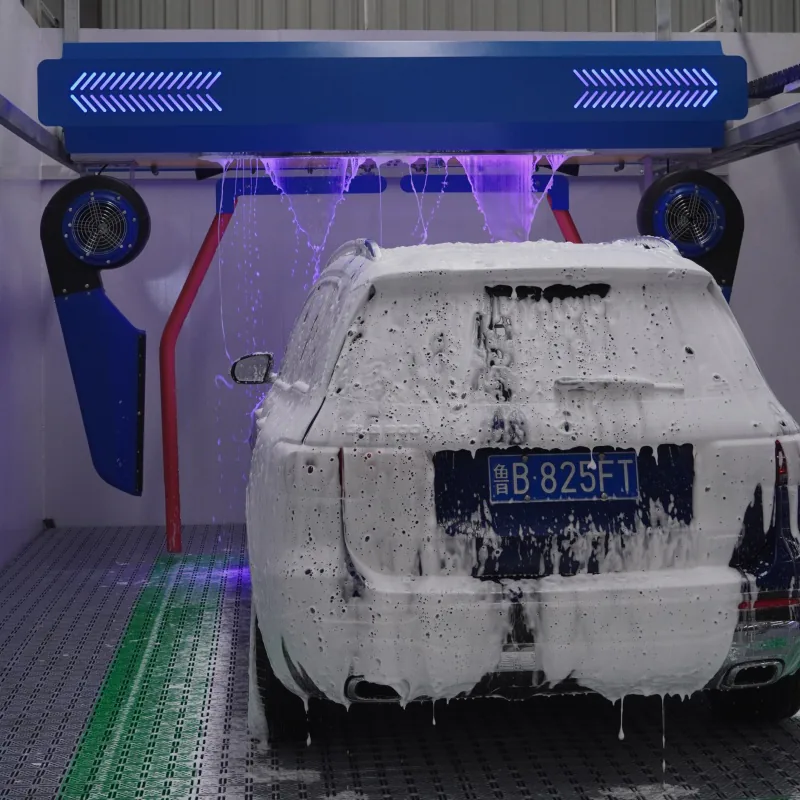
A touchless automatic car wash relies on high-pressure water and controlled chemical application. Reclaimed water can be useful for chassis cleaning, wheel cleaning and early rinse stages, but filtration quality matters because solids and scale can affect pumps and precision nozzles. Clean-water and reclaimed-water circuits should be clearly separated in the hydraulic design.
Rollover brush systems
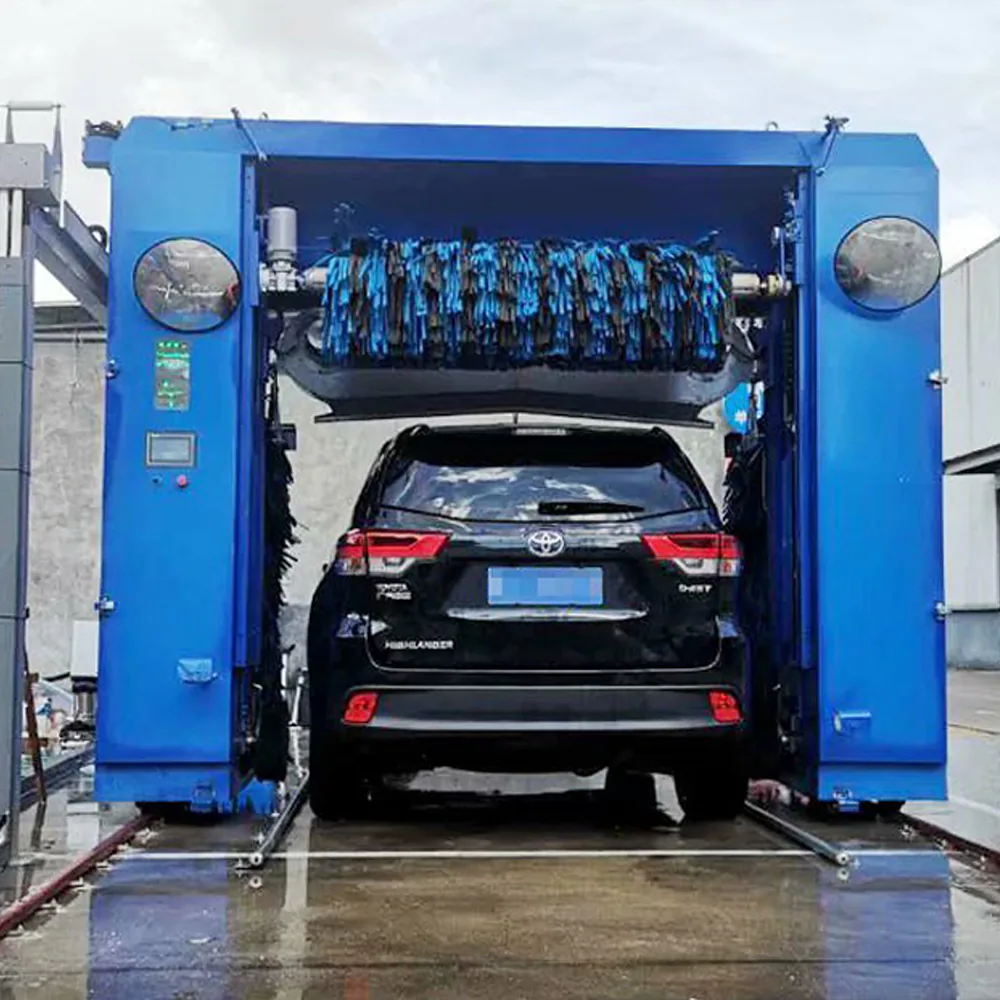
Rollover systems can reuse treated water in selected prewash and main-wash functions. Because brushes physically interact with the vehicle, the operator should control grit and solids carefully. Water quality, brush rinsing and chemical compatibility all influence cleaning consistency and paint-surface risk.
Tunnel car wash systems
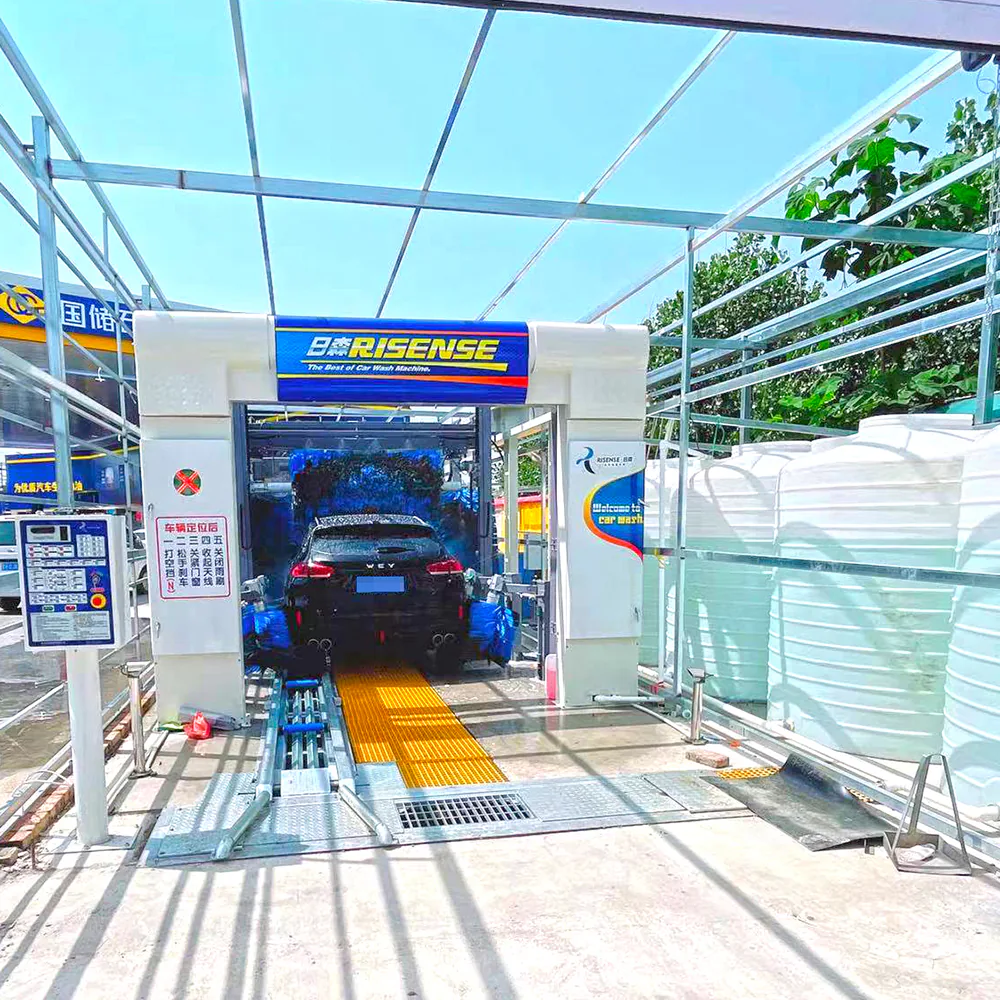
High-throughput tunnel systems often have the strongest business case for water reclamation because their daily volume is high and their wash stages are physically separated. Dedicated reclaimed-water lines can serve underbody, wheel, prewash or brush-rinse functions while higher-quality water is reserved for finishing stages. The reclaim plant must be sized for peak flow, not only average daily consumption.
How to size a system for a real project
A reliable proposal starts with water balance and contamination load. Buyers should provide the expected vehicles per day, peak vehicles per hour, wash programs, local water analysis, drainage drawings, available equipment-room area and discharge requirements.
A simple planning relationship is:
Daily freshwater demand = vehicles washed per day x fresh-water top-up per vehicle
The top-up value is not the same as the total water sprayed during the cycle. It is the freshwater needed after recovered water has been reused and after losses have been allowed for. The design must also check instantaneous flow, because a tank that appears large enough for one day may still be unable to support a short peak period.
- Influent quality: mud, sand, oil, road salt, detergents, wax and local hardness
- Required reuse quality: underbody wash, prewash, main wash, brush rinse or finish rinse
- Hydraulic demand: average daily volume, peak flow and simultaneous equipment operation
- Civil works: floor slope, trenches, settlement tanks, equipment room and access for sludge removal
- Climate: freezing protection, tank ventilation, heat and biological growth
- Local compliance: sewer consent, discharge limits, oil separation and waste-handling rules
Maintenance determines whether water recycling works
A reclaim system is not a fit-and-forget accessory. Its performance depends on routine inspection and cleaning. Poor maintenance can lead to odour, clogged nozzles, reduced pressure, dirty tanks, accelerated pump wear and inconsistent vehicle finish.
- Remove grit and sludge from collection and settlement zones before storage capacity is lost.
- Inspect filters by pressure difference, runtime or the supplier’s maintenance interval.
- Check tank levels, floats, pumps, valves and low-water protection.
- Monitor odour, turbidity, hardness and other water-quality indicators appropriate to the selected reuse stage.
- Confirm that detergents, waxes and other chemicals are compatible with the treatment process.
- Keep fresh-water and reclaimed-water pipes labelled and protected against cross-connection or backflow.
Car wash water recycling buyer checklist
| Confirm before ordering | Evidence to request |
|---|---|
| Design flow and daily treatment capacity | Hydraulic calculation based on the selected machine and projected traffic |
| Expected freshwater top-up | Water-balance calculation with clear operating assumptions |
| Reuse stages | Wash-process diagram showing fresh and reclaimed-water lines |
| Filtration and treatment train | Component list, filter ratings and water-quality targets |
| Tank and civil requirements | Layout drawing showing collection pits, settlement volume, tank sizes and equipment access |
| Local discharge compliance | Review by a qualified local drainage or wastewater professional |
| Maintenance demand | Cleaning schedule, consumable list and sludge-disposal plan |
| Scope of supply | Quotation separating machine equipment, water-treatment equipment, civil work and locally sourced items |
| Performance commitment | Written test method and acceptance criteria for the proposed configuration |
Common questions
Can a car wash reuse 100% of its water?
Usually not in normal commercial operation. Water leaves on vehicles, evaporates, is removed with sludge, is used in filter cleaning or must be discharged to control contaminant buildup. Fresh make-up water is normally still required.
Is reclaimed water safe for vehicle paint?
It can be used safely when its treatment level matches the wash stage and the system is maintained correctly. For finish-sensitive stages, higher-quality fresh, softened, deionized or reverse-osmosis water may be preferable.
Can an existing automatic car wash be retrofitted?
Many in-bay and conveyor sites can be evaluated for retrofit, but available space, drainage, tank access, piping routes, electrical capacity and the existing machine controls must be reviewed first. A new site normally offers more freedom to integrate recovery from the beginning.
Does soft water replace filtration?
No. Softening addresses hardness minerals that contribute to scale. It does not replace grit removal, settlement, oil control or suspended-solids filtration.
Plan the machine and water system as one project
The strongest car wash water recycling projects are designed together with the wash equipment, not added as an isolated accessory at the end. Machine flow, wash programs, chemical dosing, drains, settlement volume, treatment capacity and reuse controls all affect one another.
YOLO Car Wash Systems can review your site dimensions, expected vehicles per day, local water analysis, voltage, climate and operating model before recommending a configuration. Explore our automatic car wash systems, review our project solutions, or request a project-specific quotation. The final proposal should identify every included water-treatment component and clearly state what must be completed locally.
Technical references
- U.S. EPA WaterSense at Work: Vehicle Washing
- UK Environment Agency guidance on pollution prevention and contaminated water
- Shandong Boyou BY-S1 product information
- Shandong Boyou BY-S360PRO product information
- Factory-source touchless water-recycling configuration reference
- Factory-source three-stage filtration and reclaimed-tank reference
- Factory-source tunnel system with integrated recycling reference