An automatic car wash maintenance plan should divide work into daily, weekly, monthly and periodic tasks, assign responsibility and record every inspection. The exact procedure must follow the selected machine’s manual and local safety rules, but a structured checklist helps operators detect leaks, blocked nozzles, worn moving parts, sensor contamination and chemical-delivery problems before they become extended downtime.
This guide is a planning framework for commercial operators, dealerships, fleet facilities and distributors. It is not a substitute for model-specific service instructions or work by qualified electrical and mechanical technicians.
Good maintenance is not a repair after failure. It is a repeatable operating process that protects wash quality, safety and equipment availability.
Build the checklist around frequency and responsibility
| Frequency | Main purpose | Typical responsible role |
|---|---|---|
| Before opening / daily | Confirm the bay is safe and the system is ready to wash | Trained operator |
| Weekly | Clean, inspect and correct early wear or blockage | Operator or maintenance technician |
| Monthly | Verify adjustments, protective devices and utility systems | Qualified maintenance technician |
| Quarterly or by operating hours | Perform deeper preventive service and replace planned wear parts | Technical service team |
| Annual or manufacturer interval | Complete system review, calibration and lifecycle planning | Supplier-approved or qualified specialists |
Intervals may need to be shorter in sites with high vehicle volume, dust, hard water, freezing weather, corrosive exposure or demanding chemical use. Use operating hours, wash counts and observed condition—not the calendar alone.
Safety comes before maintenance
Stop operation and isolate all relevant energy sources before entering a danger zone or working on moving, electrical, pneumatic or pressurized equipment. Follow the machine manual and local lockout or isolation requirements. Only trained and authorized people should open electrical cabinets, release stored pressure, work at height or remove guards.
- prevent vehicle entry and display a clear out-of-service notice;
- stop the equipment through the defined procedure;
- isolate electrical, pneumatic, hydraulic and water pressure as applicable;
- verify that stored energy is released or secured;
- use appropriate access equipment and personal protection;
- restore guards and test safety functions before returning to service.
Daily pre-opening checks
A short daily inspection should follow the same route every time. Begin outside the bay, inspect the operating area, then check utilities, chemical supply, machine condition and safety devices. Record any defect and define who can authorize operation.
- Remove debris and confirm that drains, rails and vehicle paths are clear.
- Look for water, chemical, oil or air leaks.
- Check hoses, cables, nozzles and visible fasteners for damage or looseness.
- Confirm chemical levels, correct containers and secure connections.
- Clean vehicle-detection sensors, cameras or photoelectric devices as instructed.
- Inspect brushes, wash arms, dryers and guides for foreign objects or visible damage.
- Verify that signs, wheel guides, stops and access-control equipment are in position.
- Test emergency stops and other daily safety checks according to the manual.
- Run the approved start-up or test sequence before accepting a customer vehicle.
Weekly cleaning and inspection
Weekly work should focus on contamination and early wear. Clean strainers and accessible filters at the specified interval, inspect spray patterns and remove deposits using approved procedures. Check hose movement, cable carriers, chains, rails, wheels and guides for rubbing, abnormal noise or misalignment.
- inspect nozzle condition and spray direction;
- check pump, valve and pipe connections for leakage;
- inspect dosing lines for air entry, blockage or crystallized chemical;
- clean dryer air inlets and remove material that restricts airflow;
- check brush material, hubs and retainers on rollover or tunnel systems;
- inspect conveyor, rollers and guides where fitted;
- clean the equipment room and keep access to controls unobstructed;
- review the week’s faults, rewashes and operator comments.
Monthly functional checks
Monthly tasks should verify that moving assemblies, utilities and protective functions remain within the manufacturer’s requirements. Lubricate only the points, products and intervals specified in the manual; excessive or incorrect lubrication can create its own failures.
- inspect structural bolts, anchors, rails and travel alignment;
- check drive systems, bearings, wheels, chains or belts as applicable;
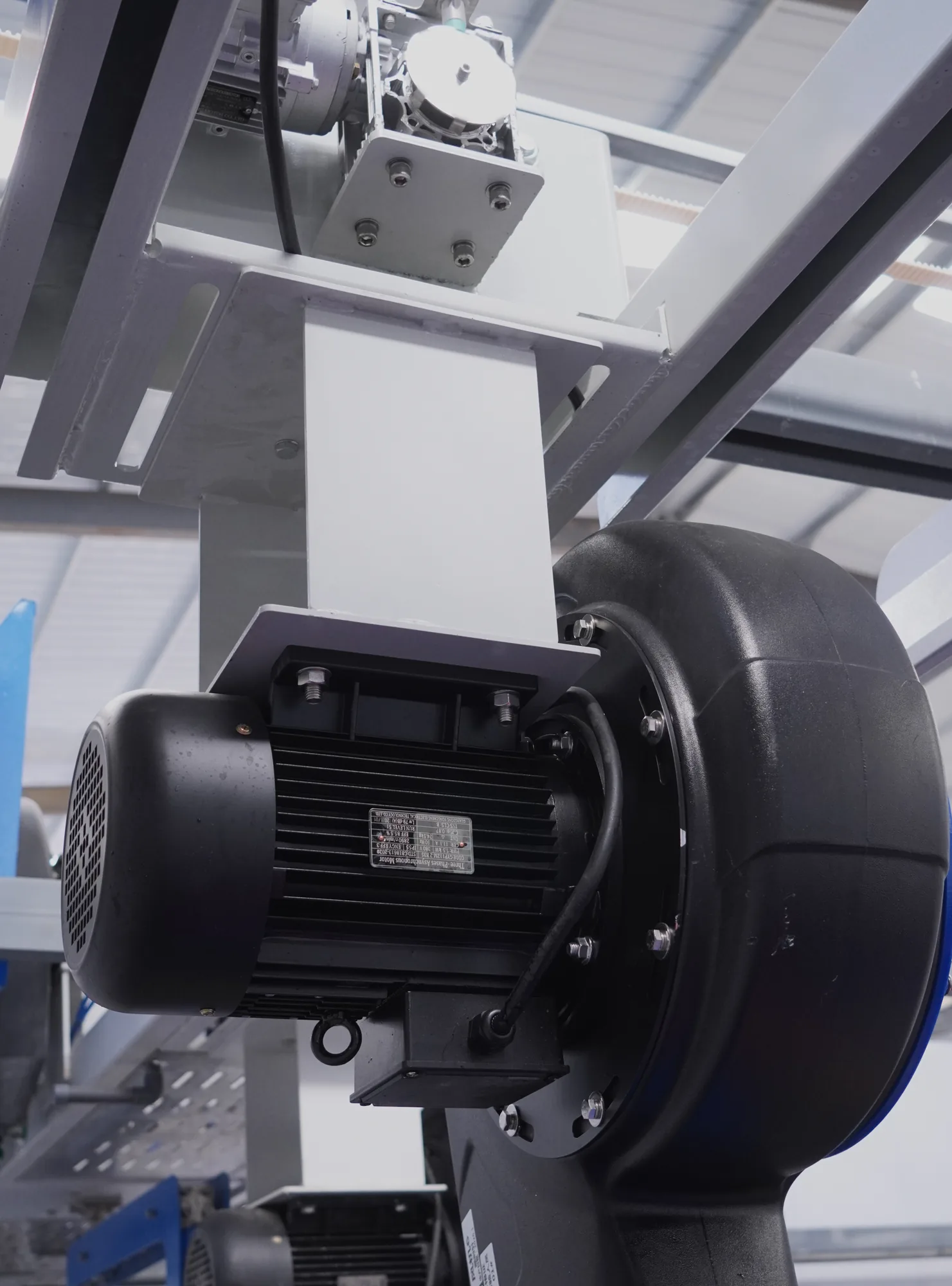
- inspect pump condition and compare operating sound, pressure and leakage with the normal baseline;
- verify chemical dosing using the approved test method;
- inspect the electrical cabinet for moisture, dust, heat damage or loose components through qualified personnel;
- test interlocks, anti-collision devices, limits and emergency functions;
- inspect compressed-air preparation and drain accumulated moisture where applicable;
- review water quality, filtration and recycling-system condition;
- back up settings or operating records where the controller supports it.
Periodic technical service
Quarterly, annual and operating-hour service should follow the component schedule supplied with the equipment. This may include planned replacement of seals, filters, nozzles, hoses, wear strips, brushes, bearings, belts or other service parts. Pump, motor, gearbox, fan, conveyor and electrical inspections should be performed by people qualified for those systems.
Use periodic service to review corrosion protection, structural condition, cable and hose routing, water treatment, grounding, ventilation and freeze or heat protection. Compare current performance with commissioning records rather than relying only on whether the machine still runs.
Maintenance priorities by wash architecture
| System type | Additional focus areas |
|---|---|
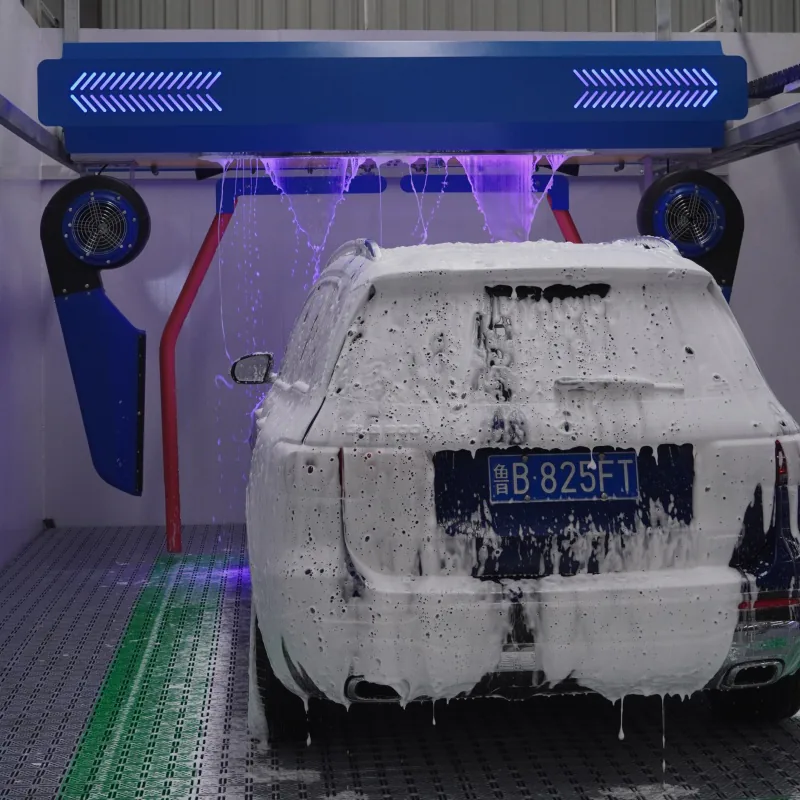
| Touchless in-bay | High-pressure nozzles, pump condition, wash-arm movement, vehicle sensing and chemical dosing |
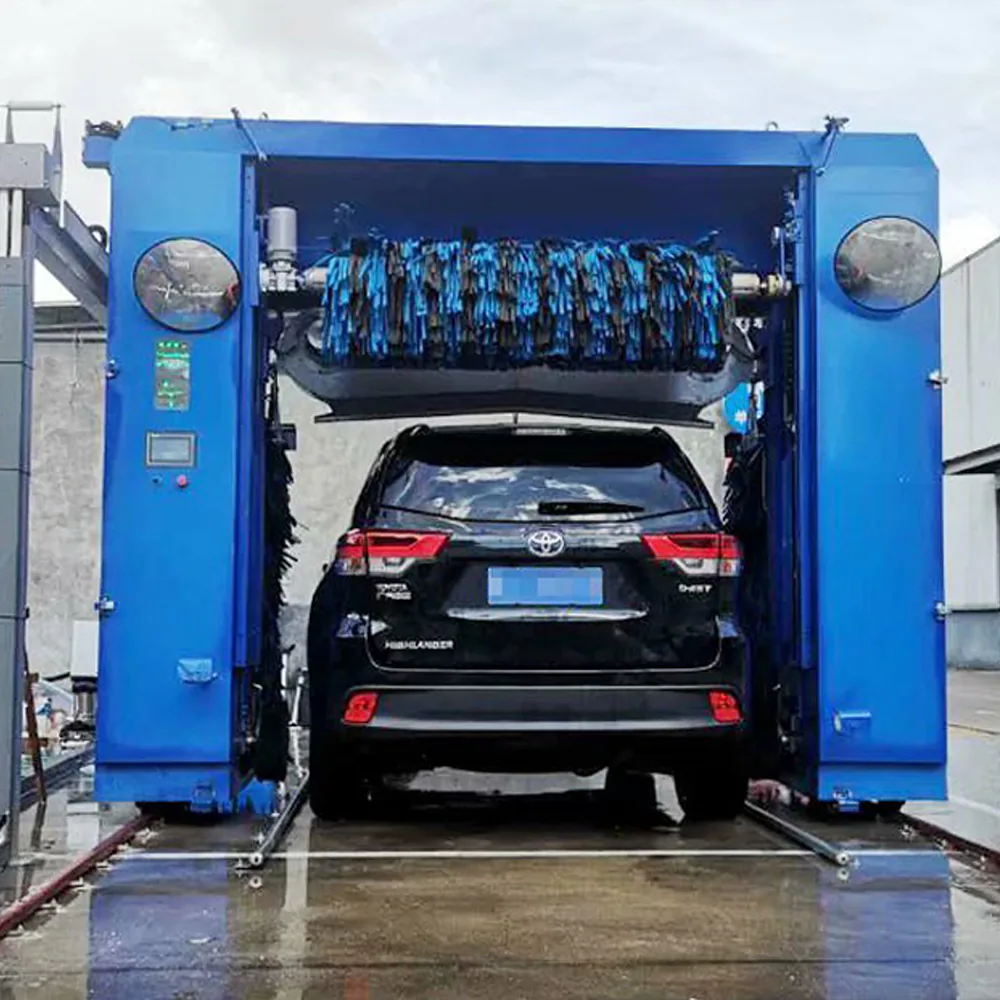
| Rollover brush | Brush material, rotation, pressure or contour control, bearings, hubs and vehicle-detection functions |
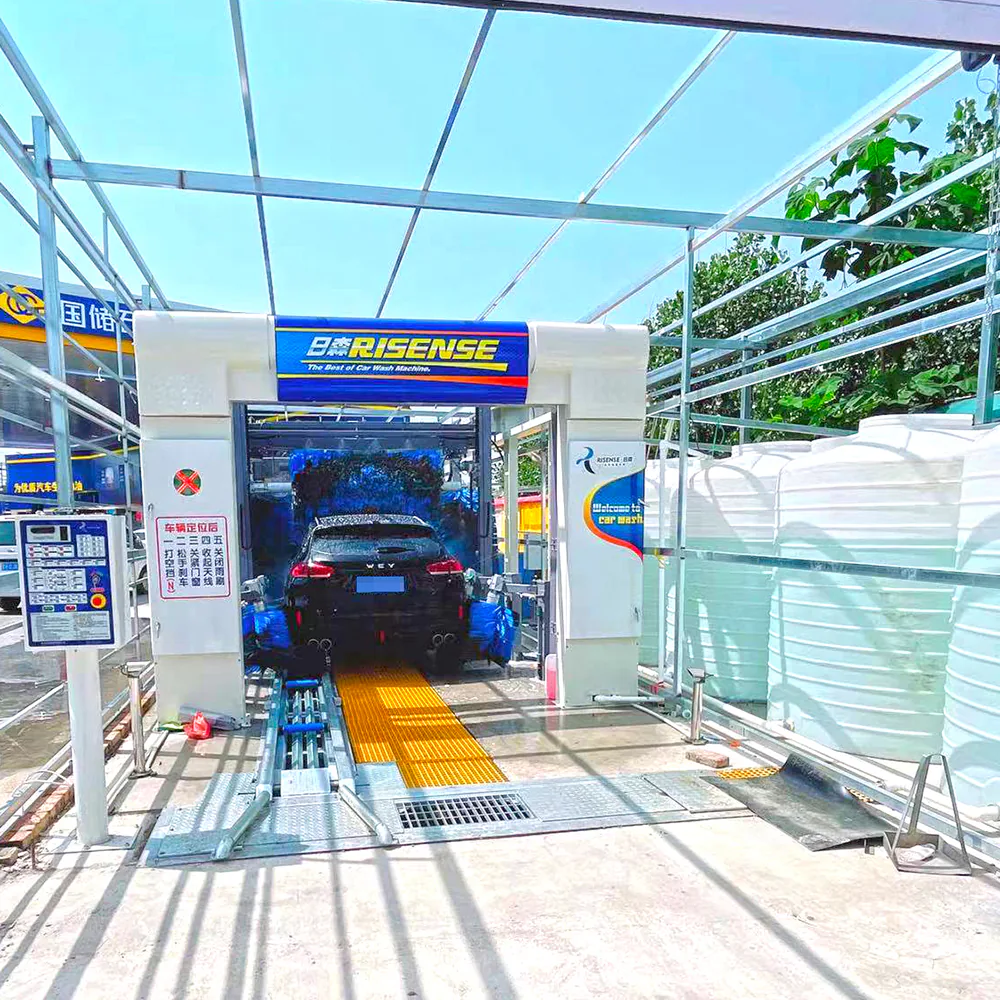
| Conveyor tunnel | Conveyor chain, rollers, guides, loading controls, synchronized modules and line safety devices |
| Drying system | Air inlets, fan wheels, motors, mounting hardware, air knives, vibration and electrical load |
| Water recycling | Settling, filters, pumps, tanks, odors, solids removal and water-quality control |
Create a site spare-parts plan
Ask the supplier for a recommended commissioning kit and an operating-spares list based on the model, local service access and expected wash volume. Classify parts as consumables, planned wear items, critical downtime parts and long-lead components. Record the exact part number, installed location, quantity on hand, reorder point and storage requirement.
Do not buy parts only by appearance. Similar sensors, seals, nozzles or electrical devices may have different materials, ratings or settings. Keep manuals, wiring diagrams and photographs linked to the machine serial or configuration record.
Use maintenance records to improve operation
A checklist becomes valuable when it produces traceable action. Record the date, wash count or operating hours, person, observation, corrective action, replaced part and return-to-service approval. Review repeat faults instead of resetting alarms without investigation.
- unplanned downtime and cause;
- repeat alarms or emergency stops;
- rewash frequency and wash-quality complaints;
- chemical and water consumption changes;
- parts used and lead time;
- preventive tasks completed late;
- abnormal noise, vibration, temperature or leakage trends.
When to stop the machine
Stop operation and escalate when a defect could affect people, vehicles, electrical safety, structural integrity, pressurized systems or controlled machine movement. Examples include damaged safety devices, unexpected movement, exposed wiring, serious leakage, abnormal vibration, loose structural parts, repeated protection trips or a fault that cannot be explained through the approved procedure.
Production pressure should not override a safety-related stop. Define the internal authority required to isolate, diagnose and return equipment to service.
Plan maintenance before ordering equipment
Maintenance capability should influence equipment selection, equipment-room layout, spare-parts scope and operator training. Review the YOLO automatic car wash range, the throughput improvement guide and the installation and after-sales framework when planning a new project.